
Home / Discover / Bartender guides
Bartender guides
How Barrel Ageing Shapes the Flavour of Spirits
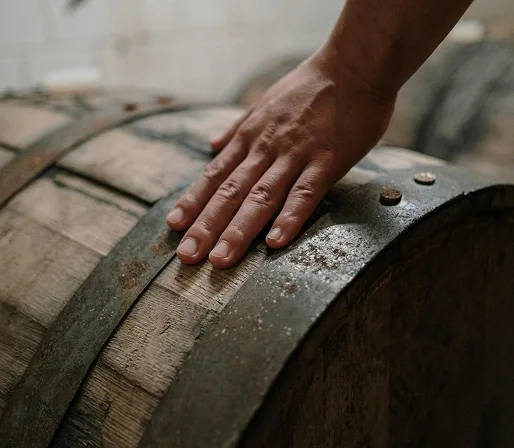
Barrel ageing is one of the most powerful transformative processes in spirits production. A raw distillate and the same spirit after years in oak can share little obvious character — the wood introduces colour, tannins, sweetness, complexity and structure.
The Role of Oak
Oak contains vanillin (vanilla flavour), lactones (coconut/oak character), tannins (astringency and structure) and hemicellulose (which caramelises to sweetness). Charring or toasting the barrel unlocks additional complexity.
Climate and the Angel's Share
In Scotland and France, roughly 2% of a barrel evaporates each year; in the Caribbean, 8–10%. After ten Caribbean years a barrel may have lost 60–70% of its original volume, and what remains is dramatically concentrated. This is why age on a Caribbean rum means something very different from age on a Scotch — the full story is in our angel's share guide.
Oak in Tequila: ArteNOM Añejo
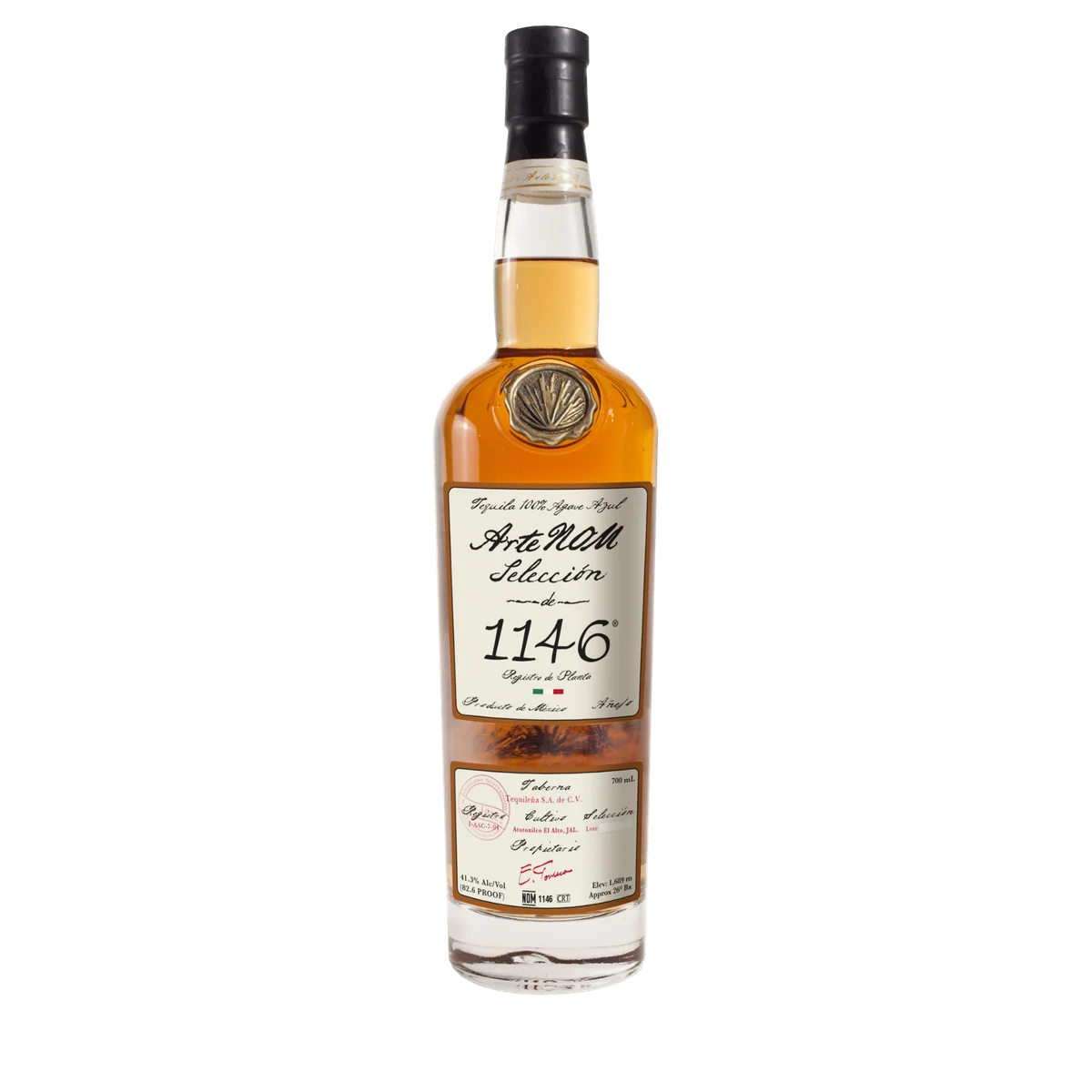
The ArteNOM Selección 1146 Añejo spends one to three years in American oak at Tequila Valley elevation. The result is described as a cognac-lover's tequila — rich agave, dried fruit, significant oak integration. Valley terroir plus oak produces a profile quite distinct from Highland añejos.
Beyond Oak: Botanical Casks
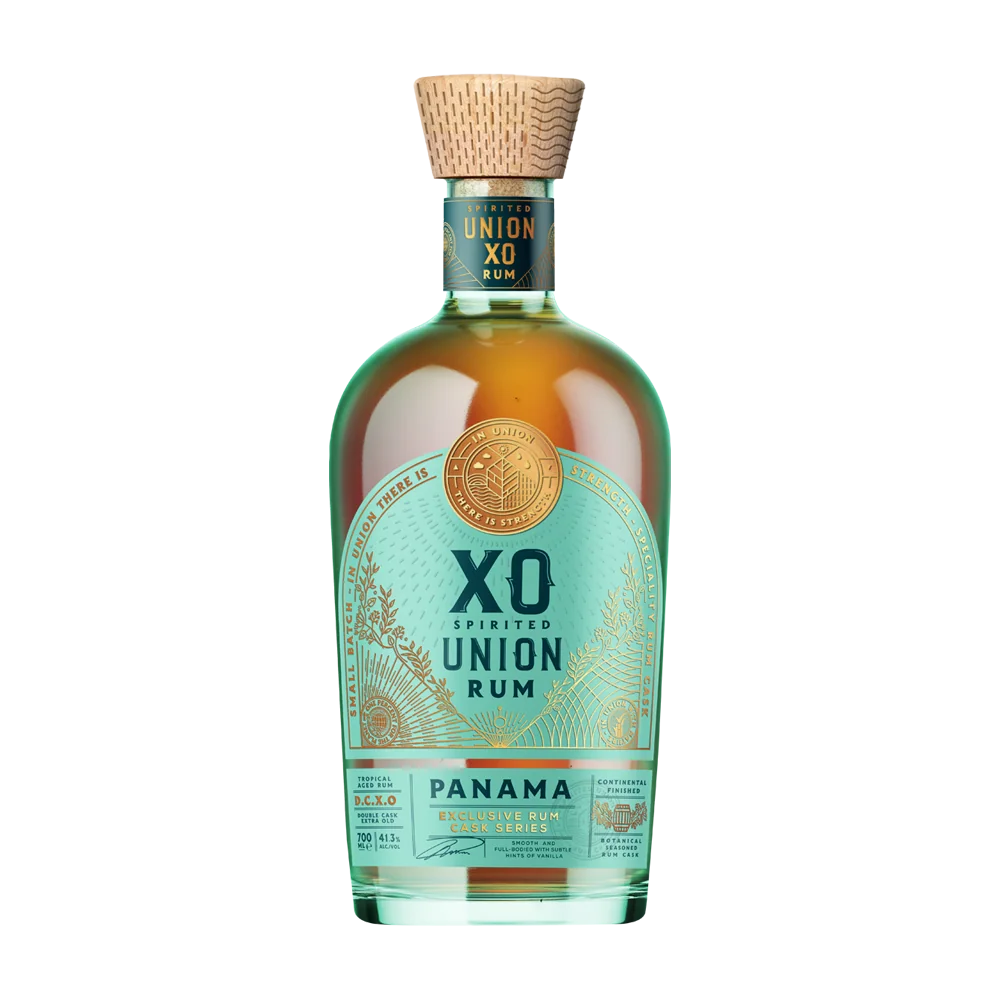
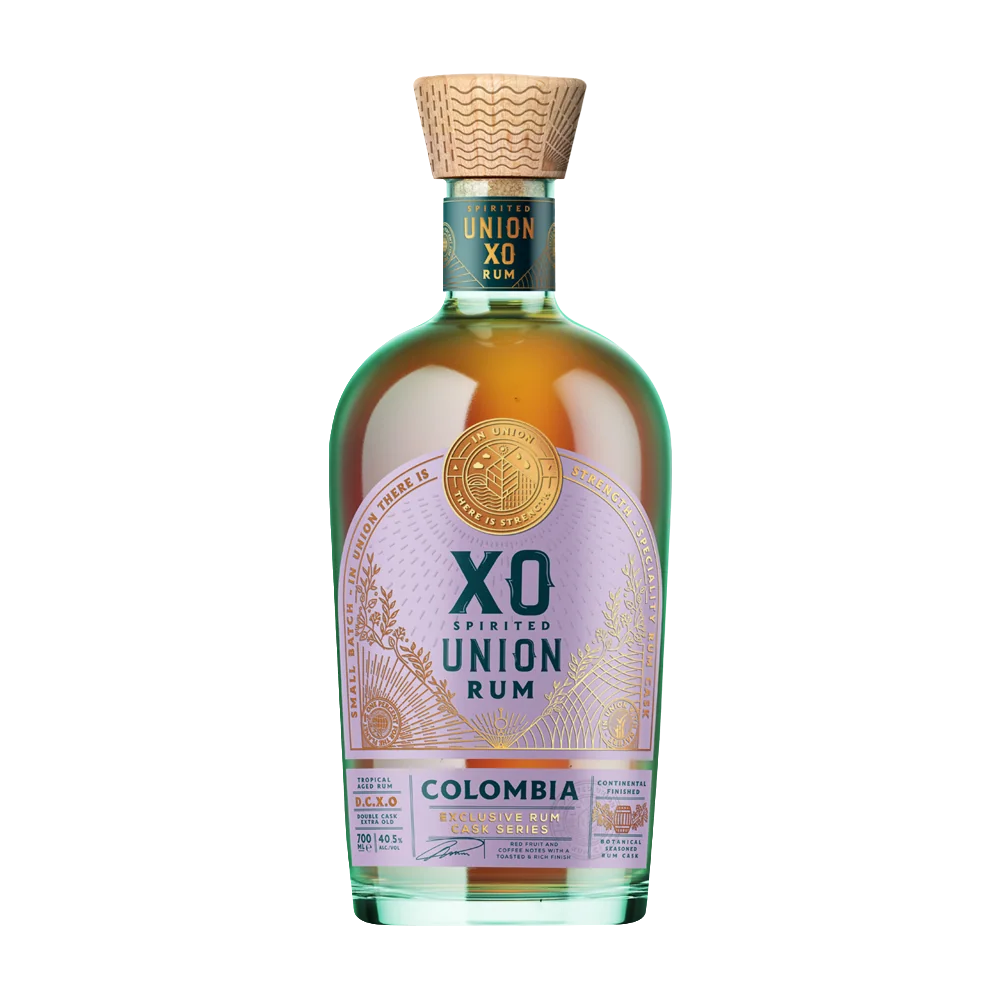
Ageing can go a step further. Spirited Union's Reserve Collection finishes tropically aged rums in casks pre-seasoned with botanicals — vanilla for XO Panama, roasted coffee for XO Colombia — layering botanical character over wood complexity in a patented double-cask system.
Frequently asked questions
- What does oak actually add to a spirit?
- Vanilla (vanillin), coconut-like lactones, structure from tannins and caramelised sweetness from hemicellulose — plus colour and texture over time.
- Is a 10-year rum comparable to a 10-year whisky?
- Not directly. Tropical ageing runs several times faster: heat drives extraction and 8–10% annual evaporation, so a Caribbean rum reaches deep oak integration in far fewer years.
Taste the wood
Tequila Artenom
ArteNOM – Tequila Selección de 1146
 Out of stock
Spirited Union
Spirited Union – XO Panama
Spirited Union