
Home / Discover / Bartender guides
Bartender guides
Fermentation & Distillation: How Spirits Are Made
Understanding how spirits are made isn't just academic — it's the foundation of genuine expertise. When you know what fermentation length does to a rum's flavour, or why pot-still distillation produces a richer spirit, you can communicate it to guests in a way that builds confidence and drives premium sales.
What Is Fermentation?
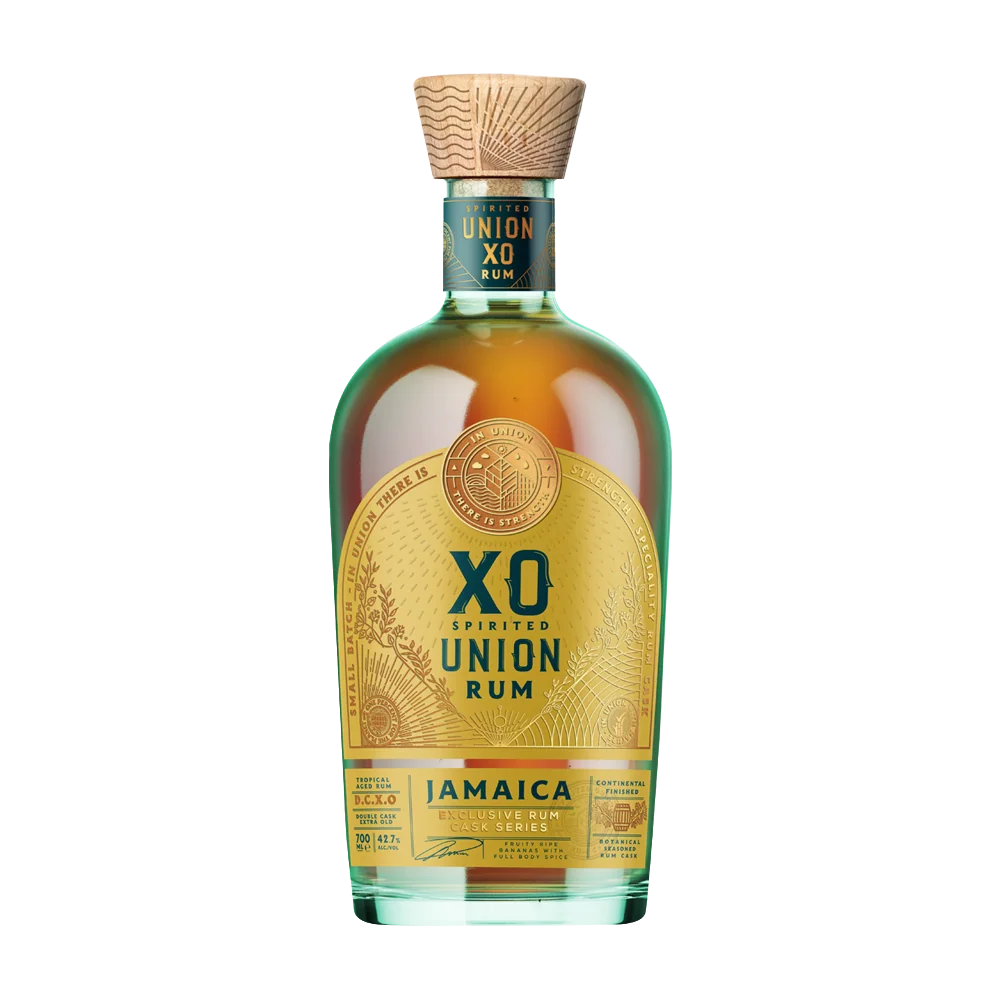
Fermentation is the conversion of sugar into alcohol by yeast. The process needs a sugar source — grapes, sugarcane, grain (after malting), fruit — and produces a low-strength wash (6–15% ABV) that forms the base for distillation. Length matters enormously: short fermentations produce light, clean washes; extended fermentations develop complex ester compounds — the source of the fruity, funky character in Jamaican rum you can taste in XO Jamaica.
Pot Still vs Column Still
Pot still: traditional copper vessels; the spirit is redistilled in batches to a maximum of around 70% ABV, retaining character, congeners and complexity — desirable in rum, whisky and cognac. Column still: continuous distillation, developed in the 1820s; produces very high-strength spirit (95%+) with less flavour complexity — the route to clean styles like a classic white rum. Vessel choice goes further still: Don Amado's mezcal is distilled in ceramic clay pots, a pre-copper tradition that leaves its own earthy, mineral signature.
The Cuts: Heads, Heart and Tails
Different compounds evaporate at different temperatures. The heads carry volatile, unpleasant compounds; the heart is the desirable fraction — ethanol and flavour in balance; the tails carry heavier compounds. Making accurate cuts is the master distiller's primary skill.
Frequently asked questions
- Why does fermentation length change flavour?
- Longer fermentations give yeast and bacteria time to create esters — aromatic compounds responsible for fruity, funky character. Short fermentations stay light and clean.
- What's the difference between pot still and column still spirit?
- Pot stills work in batches to ~70% ABV and keep more flavour compounds; column stills run continuously to 95%+ ABV and strip more character — richer versus cleaner, by design.
Taste the theory
 Out of stock
Spirited Union
Spirited Union – XO Jamaica
Spirited Union