
Home / Discover / Bartender guides
Bartender guides
Understanding Rum: A Complete Bartender Guide
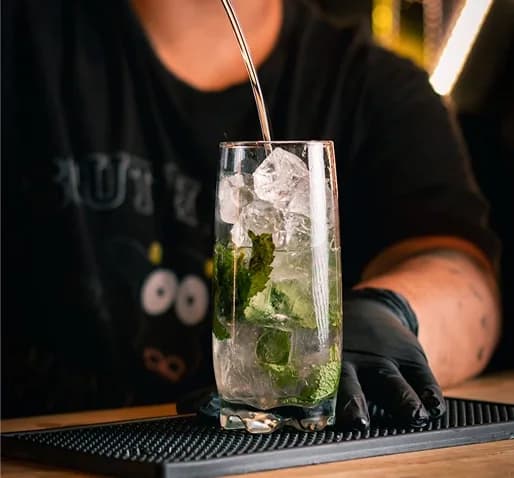
Rum may be the world's most complex and diverse spirit category. Produced across a vast range of tropical territories, from several sugarcane-derived raw materials, using every distillation method available, and aged under wildly different climatic conditions — rum defies simple categorisation. This guide gives you the framework: what rum is made from, how production choices shape flavour, and which styles belong where on your menu.
Raw Materials
Molasses (±97% of production): the dark, thick residue of sugar refining; produces richer, heavier styles — the base of classic white and dark rums. Cane juice: Rhum Agricole — fresh-pressed and fermented before oxidation; greener, lighter, more aromatic (see our full Rhum Agricole guide). Cane syrup: a middle ground.
Fermentation Length
Around 24 hours: light, clean spirit — Puerto Rican style. Around five days: fuller body, more ester — Rhum Agricole territory. Eight days or more: high-ester, funky character — traditional Jamaican rum, the profile behind XO Jamaica.
Botanical Rum: The New Category
Spirited Union pioneered a new category: single-origin rum bases united with real, natural botanicals. Unlike mass-market spiced rum (artificial flavours, added sugar), botanical rum macerates genuine ingredients — fresh fruit, herbs, spices — to produce dry, complex, aromatic spirits. Pour a Queen Pineapple & Spice next to a supermarket spiced rum and the difference explains itself. New territory for bartenders and guests alike.
Ageing
Most rum ages in ex-bourbon American oak. Caribbean heat drives the angel's share to 8–10% annually versus about 2% in Scotland, so a five-year Caribbean rum carries significant oak influence — age statements mean something different in the tropics. Ultra-aged expressions like XO Panama show where that road leads. (Deeper dives: how barrel ageing works and the angel's share.)
Key Rum Styles
Barbados: light-to-medium, balanced pot and column production. Jamaica: high-ester pot-still traditions — funky and complex. Cuba: light, clean, column-distilled. Martinique: Rhum Agricole AOC — cane juice, single column still. Venezuela/Panama: ultra-aged premium sipping rums. Amsterdam: Spirited Union botanical rum — a category of its own.
Frequently asked questions
- What's the difference between molasses rum and cane juice rum?
- Molasses rum is made from the residue of sugar refining and tends richer and heavier; cane juice rum (Rhum Agricole) is made from fresh-pressed sugarcane juice and tastes greener, lighter and more aromatic.
- What is botanical rum?
- Single-origin rum united with real, natural botanicals — no artificial flavours, no added-sugar masking. A category pioneered by Spirited Union in Amsterdam.
- Why does age mean something different for Caribbean rum?
- Tropical heat evaporates 8–10% of a barrel per year versus ~2% in Scotland, so Caribbean rums extract oak character far faster — a five-year tropical rum is further along than the number suggests.
Build your rum shelf
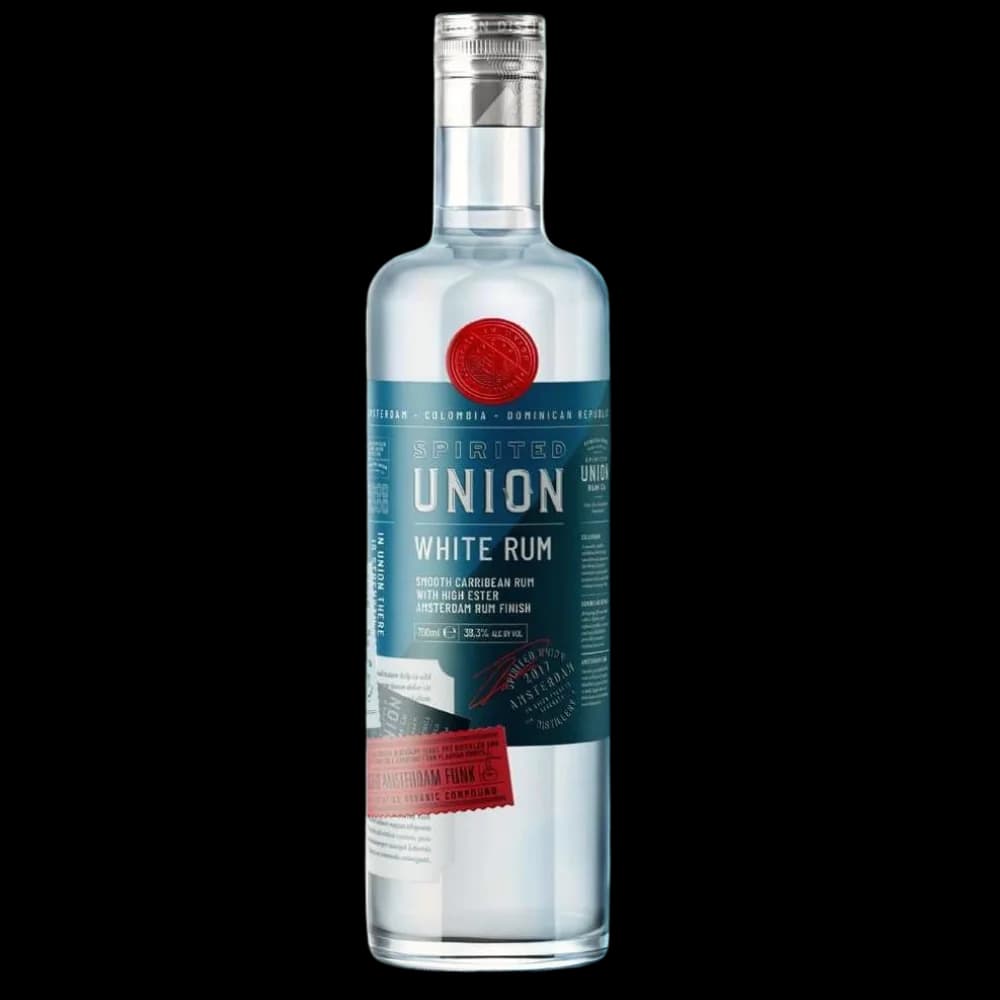
Spirited Union
Spirited Union House White Rum 37,8% abv
37.8% ABV
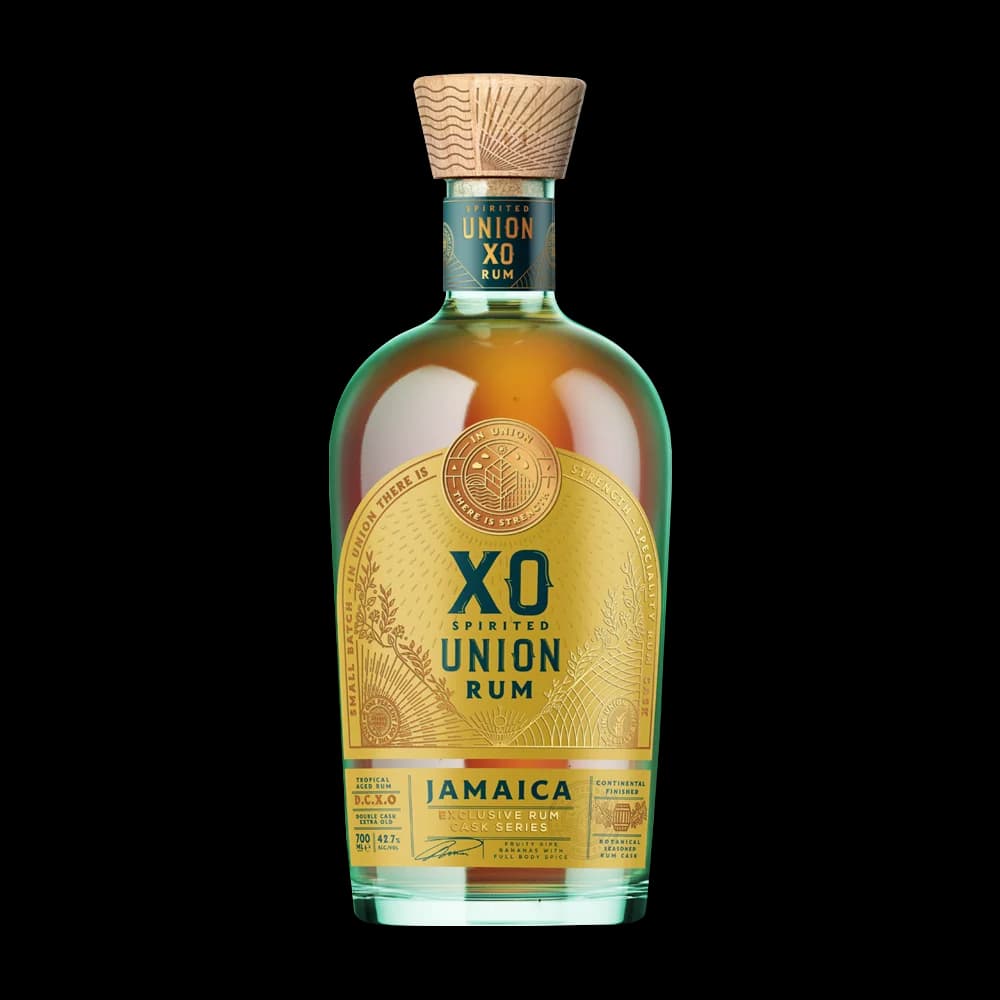
Spirited Union
Spirited Union - XO Jamaica
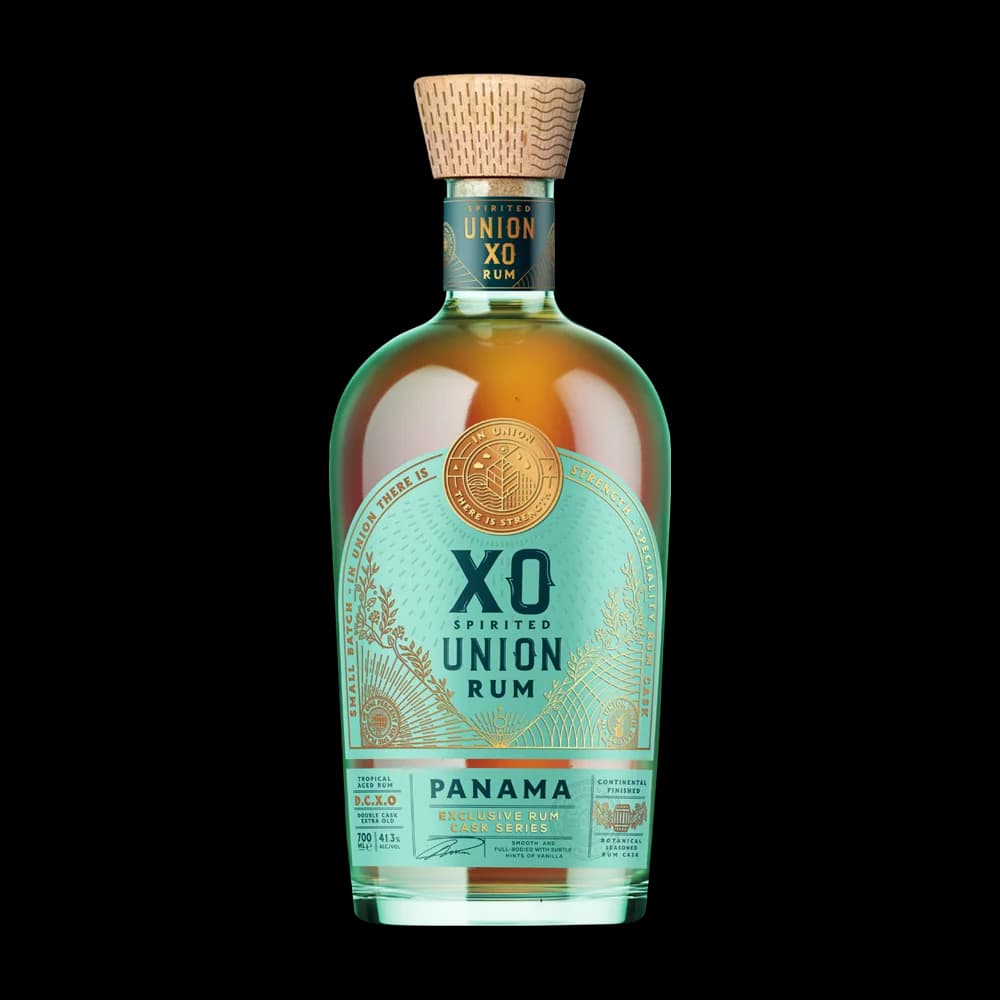
Spirited Union